How to File an Insurance Claim: A Beginner's Guide
Updated On: November 3, 2026
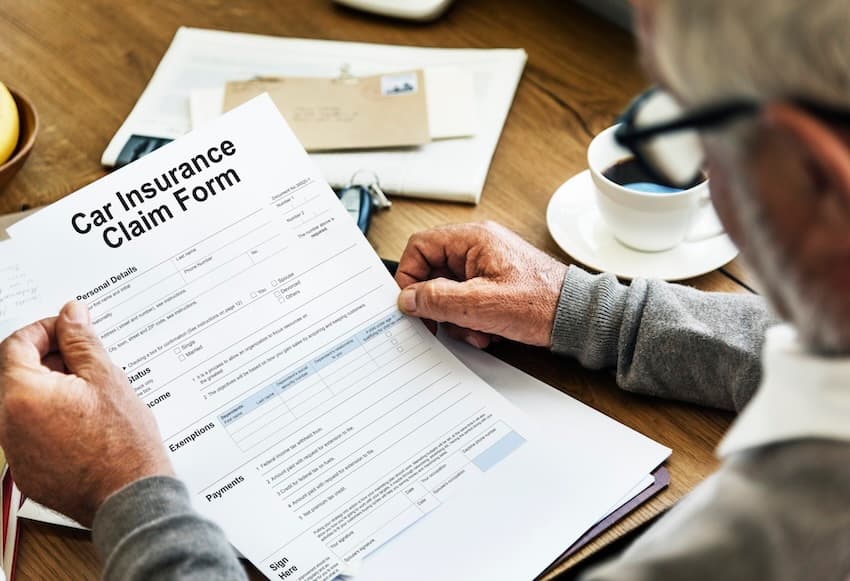
A comprehensive guide to filing an insurance claim after a car accident.
This article is for informational and educational purposes only and should not be a substitute for medical or legal advice. Since every injury and legal situation is unique, YourAccident.com recommends consulting with a qualified healthcare professional and attorney who can provide guidance based on your specific circumstances and applicable state laws
Dealing with an auto accident is challenging, especially when you also need to arrange repairs, track expenses, and speak with insurance companies. To file a car insurance claim, report the accident, provide supporting documents, and work with the insurer to review the damage and applicable coverage. In this guide, we’ll explain each step, the documents you’ll need, and what to do if your claim is delayed or denied.
Understanding Your Car Insurance
A car insurance claim is a request for an insurer to pay for damage, injuries, or other losses covered by a policy. You might file through your own insurance company or another driver’s insurer, depending on the circumstances.
Your motor vehicle insurance can help cover costs related to accidents, theft, and other incidents involving your vehicle. The protection available depends on the coverage you purchased, your policy’s exclusions, and the circumstances of the loss.
What are the details of your coverage?
Before filing, review your policy’s declarations page and coverage terms. Auto insurance policies can include several types of protection:
- Liability coverage pays for covered injuries or property damage you cause to others when you are legally responsible. It does not pay to repair your own vehicle.
- Collision coverage helps pay for damage to your vehicle from a collision, subject to your deductible and policy terms.
- Comprehensive coverage helps pay for covered non-collision losses, such as theft, vandalism, hail, and falling objects.
- Uninsured/underinsured motorist coverage can help when a responsible driver has no insurance or insufficient coverage. Whether it covers injuries, vehicle damage, or both depends on your policy and state.
- Personal injury protection or medical payments coverage can help with eligible medical expenses after an accident, subject to the coverage purchased and applicable rules
Check your coverage limits, deductibles, exclusions, and reporting requirements. For a minor claim involving only your vehicle, compare the estimated repair cost with your deductible. If covered repairs cost $800 and your collision deductible is $1,000, that coverage would not produce a payment.
Deciding whether to seek payment for minor damage is separate from your duty to report an accident. Check your policy’s notice requirements, particularly if another person was involved or someone may have been injured. The National Association of Insurance Commissioners’ consumer guide explains how deductibles and claims history can affect this decision.
What documents and information will you need to gather?
Keep the following information together. You can usually report the accident before every document is available and provide additional records as you obtain them.
- Your insurance information, including your policy number and insurer’s contact details
- The accident date, time, location, and a factual description of what happened
- The police report number and instructions for obtaining the report, if officers responded
- Other drivers’ names, contact information, insurance details, and vehicle information
- Photos or videos of vehicle damage, the scene, road conditions, and visible injuries
- Repair estimates and inspection records
- Medical bills and treatment records relevant to an injury claim
- Receipts for towing, storage, rental cars, and other accident-related expenses
- Witness names and contact information
Keep copies of everything you submit, along with emails and notes from phone calls. Having an organized record makes it easier to answer questions and identify missing information.
Step-by-Step Guide to Filing Your Car Insurance Claim
The claims process generally involves reporting the accident, documenting your losses, completing the insurer’s requirements, and reviewing their decision. The steps below explain what to expect, though the order of inspections and estimates may vary.
Step 1: What to do at the scene of the accident
Prioritize your safety and the safety of others involved. Call 911 if someone is injured or there is an immediate danger. If your vehicle is drivable and you can move it safely, relocate it out of traffic and turn on your hazard lights.
Once everyone is safe, photograph the damage and exchange contact, vehicle, and insurance information with the other drivers. Collect witness contact details and record what you remember while the details are fresh. Stick to what you observed rather than guessing about speeds, injuries, or who caused the crash.
If officers respond, ask for their names, badge numbers, and the report number. The report itself may become available later.
Step 2: Contact your insurance company
Report the accident promptly using the phone number on your insurance card, the insurer’s website, or their mobile app. Explain when and where it happened, which vehicles were involved, and whether anyone reported injuries. You do not need to wait for a completed police report to make the initial notification.
If another driver may be responsible, you may also pursue a claim through their liability insurer. This is called a third-party claim, while a claim under your own policy is a first-party claim. Still notify your own insurer as your policy requires, even if you expect the other company to handle payment.
Ask which coverage may apply, whether you owe a deductible, and what deadlines or documents you need to address.
Step 3: Submit your claim and supporting documents
Complete any required claim forms and provide the available photos, reports, receipts, and other requested records. Check dates, contact information, and descriptions for accuracy before submitting them. If something is unavailable, explain what is missing and ask when you need to provide it.
Save your claim number, the claims representative’s contact details, and confirmation that the insurer received your submission. Keep a list of outstanding requests so you can track what still needs attention. The Office of Public Insurance Counsel’s first-party claims guidance recommends retaining claim records, including estimates, emails, receipts, and medical bills.
Step 4: Work with an insurance adjuster
The insurer will generally assign an adjuster to investigate the claim, assess the damage, and evaluate payment under the applicable coverage. They may review photographs, witness accounts, repair estimates, and police reports. Depending on the insurer’s process, they may inspect your vehicle in person or use photographs and other digital tools.
Respond to reasonable requests and ask for clarification if you do not understand why a document is needed. Keep notes of conversations, including any next steps or dates the adjuster provides. Prompt responses can prevent avoidable delays, though they do not guarantee a particular decision or completion date.
Step 5: Get a repair estimate
Follow the insurer’s instructions for documenting vehicle damage and obtaining an estimate. You generally have a choice of repair shop, though state rules and the details of the claim matter. Discuss the proposed labor charges, parts, and repair methods with the adjuster before authorizing work.
A vehicle may qualify as a total loss even when repair costs do not exceed its full value. Applicable state rules and the insurer’s assessment determine when a vehicle is uneconomical to repair. Under a standard policy, a covered total-loss payment generally reflects the vehicle’s actual cash value before the accident, with applicable deductions. Ask for a copy of the estimate or valuation report so you can review the calculation.
Step 6: Review payment and repair or replace your vehicle
Before proceeding, confirm which repairs the insurer has approved and what you may need to pay yourself. Ask who will receive the payment and whether a lender or leasing company needs to participate. Depending on the arrangement, payment may involve you, the repair shop, or a party with a financial interest in the vehicle.
If your policy includes rental reimbursement, check the daily allowance and maximum benefit. Coverage may end before repairs are complete if you reach the policy limit.
For a financed vehicle declared a total loss, do not assume the payment will cover your remaining loan balance. Ask the insurer and lender how the proceeds will be applied and whether you have applicable gap coverage.
After Filing: What to Expect
After you submit a claim, the insurer reviews the available evidence, checks coverage, and investigates responsibility where relevant. Vehicle repairs, medical expenses, and injury claims may move at different speeds. Receiving payment for one part of the claim does not necessarily mean every issue has been resolved.
How long does a car insurance claim take?
There is no single nationwide deadline for completing every car insurance claim. Timing depends on the damage, disputed facts, available records, and applicable state requirements. Injury claims or claims requiring further investigation may take longer than straightforward vehicle damage claims.
State rules may set separate deadlines for acknowledging a claim, making a decision, and issuing payment. Those rules may also differ depending on whether you claim through your insurer or another driver’s company. The NAIC’s auto insurance resource explains why settlement timing varies by claim and state.
Ask your adjuster what is pending and when you should expect the next update. If a stated date passes, follow up in writing and keep a copy.
Claim adjustments and settlements
Review the insurer’s offer alongside your policy, estimates, and documented expenses. Check the deductible, approved repair items, coverage limits, and any excluded charges. For a total loss, review the vehicle’s listed mileage, condition, options, and comparable vehicles used in the valuation.
If you disagree, identify the specific issue and submit supporting evidence. This might include a repair shop’s explanation of omitted work or records showing that the valuation lists the wrong vehicle features. Ask for a written explanation of any amount the insurer declines to pay.
Understand what any settlement release covers before signing it. An injury release can prevent you from seeking more money for the same injury claim later.
Common Mistakes That Can Complicate Your Claim
Incomplete information and missing records can create problems even when a loss is covered. Avoid these common mistakes:
- Delaying notification: Report the accident within your policy’s requirements rather than waiting for every document.
- Guessing about details: Explain what you know and identify anything you are unsure about.
- Discarding evidence: Preserve photographs, damaged items where practical, estimates, and relevant correspondence.
- Authorizing permanent repairs too soon: Give the insurer a reasonable opportunity to document the damage. Take necessary steps to prevent further loss when safe.
- Losing expense receipts: Save proof of towing, storage, temporary repairs, and other costs you may seek to recover.
- Assuming every expense is covered: Confirm rental limits, repair approvals, and other restrictions before committing to costs.
Common Challenges & How to Overcome Them
Disputes over fault and compensation
Disagreements about who caused the accident can delay a liability claim. Provide photographs, witness information, and other evidence that supports your account. A police report can help the investigation, but it does not necessarily settle every question about responsibility.
Your ability to recover from another driver can depend on state fault rules and the circumstances of the accident. If the other insurer disputes responsibility, ask your own insurer whether available coverage can address your losses while the dispute continues. For significant injuries or a complex liability dispute, an attorney can explain your options.
Handling claim denials or delays
If your claim is denied, request a written explanation identifying the reasons and relevant policy provisions. Check whether the decision rests on a coverage exclusion, missing evidence, a reporting issue, or a dispute about how the loss occurred. Then respond with documents that address the stated reason.
Start by asking the adjuster or a claims supervisor to review the decision. Your policy may offer appraisal for certain disagreements over the amount of a covered loss, though appraisal generally does not resolve every coverage or liability dispute. Available procedures depend on the policy and state.
You can also contact your state insurance department about claim-handling concerns. Regulators can review certain insurer practices, but their authority has limits.
Learning From the Process
Once your claim is resolved, review whether your policy provided the protection you expected. Consider which costs insurance covered, which expenses you paid, and whether the coverage limits suited your needs.
Evaluating your coverage
If you lacked protection for your own vehicle or faced costs above your limits, discuss your options with a licensed insurance agent. Depending on your circumstances, this could mean adjusting liability limits or considering collision, comprehensive, rental reimbursement, or uninsured motorist coverage.
Compare deductibles with the amount you could reasonably pay after another loss. A lower premium may come with a larger deductible, so consider both costs together.
Staying prepared for future claims
Keep your insurance card accessible and maintain a folder for policy documents, claim correspondence, and repair records. Review your coverage when you replace a vehicle, move, or change the drivers on your policy.
Safe driving and regular vehicle maintenance can also help reduce certain risks. These steps cannot prevent every accident, but they can support safer driving and make future claim documentation easier.
Conclusion
Filing a car insurance claim starts with documenting the accident, reporting it promptly, and understanding your coverage. Keep copies of your records, track the insurer’s requests, and review payment calculations before agreeing to a settlement. If something does not look right, ask for an explanation and provide evidence that supports your concern.
If you face a disputed injury claim, a denial, or a settlement you do not understand, YourAccident.com can help connect you with an attorney to discuss your circumstances and available options.
FAQs
Can I file a car insurance claim without a police report?
You can generally notify the insurer and begin a claim before a police report is available. Ask what alternative information they need if no report exists. Separate state or local accident-reporting requirements may still apply.
What if the repair shop finds more damage after repairs begin?
Ask the shop to document the additional damage and contact the adjuster about a supplemental estimate. The insurer may need to inspect or approve the extra work before agreeing to pay. Coverage depends on whether the damage relates to the covered loss and falls within the policy terms.
Will filing a car insurance claim increase my premium?
A claim can affect your premium or renewal eligibility, but an increase is not automatic in every situation. The outcome depends on factors such as the claim type, your claims history, insurer practices, and state rules. Ask your insurer how those factors apply to your policy.
Tell us about your accident & get a free consultation now

Advertising is paid for by participating attorneys in a joint advertising program, licensed to practice law in their respective states. A complete list of joint advertising attorneys can be found here. You can request an attorney by name. We are not a law firm or an attorney referral service. This advertisement is not legal advice and is not a guarantee or prediction of the outcome of your legal matter. Every case is different. The outcome depends on the laws, facts, and circumstances unique to each case. Hiring an attorney is an important decision that should not be based solely on advertising. Request free information about your attorney's background and experience. This advertising does not imply a higher quality of legal services than that provided by other attorneys. This advertising does not imply that the attorneys are certified specialists or experts in any area of law. No legal services will be provided unless a signed agreement between the client and the attorney exists. We use cookies to personalize content and to analyze our traffic. We also share information about your use of our site with our analytics partners, who may combine it with other information you've provided or collected from your use of their services. You consent to our cookies if you continue to use our website.