A Program in Limbo: NH Suspends Vehicle Inspections Amid Legal Battle

New Hampshire drivers are navigating uncertain terrain this month as the state’s long-standing vehicle inspection program has been suspended indefinitely following a complex legal dispute. The suspension, announced in a joint statement by the New Hampshire Department of Justice and Department of Safety on February 13, 2026, means that inspection stations are no longer authorized to issue state inspection stickers, and vehicles are not required to obtain the annual safety and emissions check.
However, officials emphasize that this does not mean vehicle safety requirements have disappeared. Instead, the legal burden now rests squarely on drivers to ensure their vehicles are roadworthy. For Granite Staters, this development raises immediate practical questions and invites a broader discussion about the balance between state mandates and personal responsibility.
What the suspension means for drivers
Per the latest state guidance, the vehicle inspection program is suspended until further notice. This means:
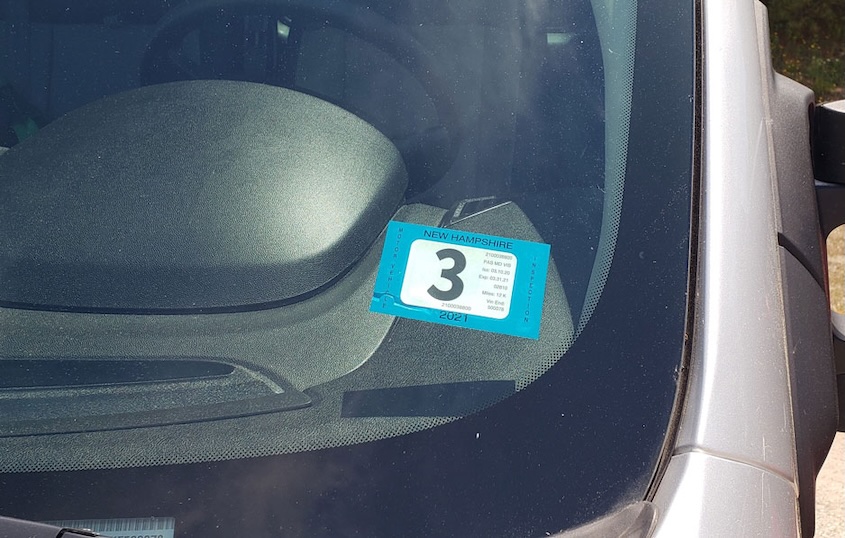
- No stickers: Licensed inspection stations will not issue new state inspection stickers. Vehicles with stickers that have expired or are about to expire are not required to get a new one
- No requirement: There is no legal requirement to obtain an annual state inspection at this time
- Ongoing responsibility: Critically, drivers remain legally responsible under RSA Chapter 266 to ensure any vehicle they operate on New Hampshire roads is safe. This includes maintaining functional brakes, lights, tires, steering, and other critical systems
This suspension is a direct result of a legal and contractual breakdown. The state's contract with its vendor, Gordon-Darby NHOST, Inc., to operate the inspection program was set to end. After the Executive Council denied a request to extend that contract, the state found itself without an approved vendor. This, combined with a federal court order from January 27, 2026, related to the program, created a situation where officials determined they "currently lack the legal authority to operate a vehicle inspection program."
An unresolved fight
The situation remains fluid and could change. The state has filed an appeal with the First Circuit Court of Appeals and a motion to stay the federal court's preliminary injunction. In essence, while the program is suspended now, future court rulings or legislative action could reinstate it, potentially with new deadlines or rules.
The state has stated it will continue to update the public and may provide "regulatory flexibility," such as deadline extensions, should the program resume. Drivers are advised to monitor official channels like the DMV website for updates.
What this means for road safety and the environment
This suspension inevitably leads to questions about its effect on safety and emissions. A measured look at the facts suggests the impact may not be immediate or dramatic, but it carries long-term risks.
- Road safety: The state’s guidance makes it clear: "Drivers are still responsible under current law to ensure that any vehicle driven in New Hampshire is safe to operate." The legal duty for a safe vehicle has not been suspended, only the mandatory state check. For conscientious drivers, this may change little. However, the concern is that the removal of the annual mandated inspection could, over time, lead to a gradual increase in the number of unsafe vehicles on the road, particularly those with issues that are not readily apparent to the owner. The system now relies entirely on individual diligence
- Environmental impact: The suspension also halts the On-Board Diagnostics (OBD) emissions testing for vehicles less than 20 years old. This test is designed to identify malfunctioning emission control systems that can increase pollution. While one vehicle’s emissions have a negligible effect, a prolonged suspension without any alternative program could, over years, contribute to a marginal increase in overall vehicle emissions in the state. The Department of Environmental Services is involved in exploring options, indicating this is a recognized concern
The bottom line
For our readers, this development underscores a few critical points in the context of accident law and personal safety.
- Proof of negligence may shift: In a future accident, the absence of a valid inspection sticker does not automatically prove a vehicle was unsafe. However, if an accident is caused by a mechanical failure (e.g., brake failure), the fact that the vehicle was not subjected to a state-mandated safety check could become a factor in legal arguments about the driver's responsibility to maintain their vehicle
- The burden of documentation: With no official record of a passed inspection, drivers may want to be more proactive in keeping their own records of maintenance and repairs. A documented history of responsible vehicle care can be valuable evidence in any dispute following an accident
- Personal responsibility is paramount: The state has essentially shifted the full weight of the vehicle safety net onto the individual. For drivers, this means a routine of self-checks—monitoring tire tread, ensuring all lights function, paying attention to brake feel, and addressing warning lights promptly—is no longer just good practice; it is the primary line of defense for their safety and legal protection
The suspension of New Hampshire's vehicle inspection program is a unique experiment in deregulation born of legal necessity. It places a renewed emphasis on driver accountability. While the legal fight continues, the immediate responsibility is clear: every driver must act as their own inspector.
For anyone involved in an accident where vehicle maintenance or roadworthiness is a factor, understanding the legal nuances is critical. The independent attorneys we connect you with are skilled in investigating all aspects of a crash, including mechanical condition, to ensure that responsibility is accurately placed and victims receive the compensation they deserve.
Tell us about your accident & get a free consultation now

Advertising is paid for by participating attorneys in a joint advertising program, licensed to practice law in their respective states. A complete list of joint advertising attorneys can be found here. You can request an attorney by name. We are not a law firm or an attorney referral service. This advertisement is not legal advice and is not a guarantee or prediction of the outcome of your legal matter. Every case is different. The outcome depends on the laws, facts, and circumstances unique to each case. Hiring an attorney is an important decision that should not be based solely on advertising. Request free information about your attorney's background and experience. This advertising does not imply a higher quality of legal services than that provided by other attorneys. This advertising does not imply that the attorneys are certified specialists or experts in any area of law. No legal services will be provided unless a signed agreement between the client and the attorney exists. We use cookies to personalize content and to analyze our traffic. We also share information about your use of our site with our analytics partners, who may combine it with other information you've provided or collected from your use of their services. You consent to our cookies if you continue to use our website.